Tempe, Arizona, symbolizes the vibrant power of a major university town, humming with aspiration, culture, and, let's be honest, an extreme desert climate. The city is a first-rate destination for trainees chasing their academic dreams at Arizona State University. Nonetheless, when the Sonoran Desert shows up the heat, keeping emphasis can seem like an uphill struggle. The high temperatures, which consistently skyrocket past 110 levels Fahrenheit in the summer months and maintain points cozy well right into the autumn, do not just affect your exterior plans; they substantially affect your indoor atmosphere and, seriously, your ability to research. Developing a productive office that proactively counters the warmth is not just a high-end; it comes to be a necessary component of academic success in this distinct, gorgeous, however very warm setup. Your individual research zone needs to be an awesome, comfortable sanctuary, a place where concentration is the rule and heat-induced drowsiness is the exception.
Crafting the Cool Thermal Environment
The air temperature of your study space is the outright initial variable you have to regulate. Research study reveals that as interior temperature levels climb, cognitive efficiency starts to decline swiftly. In a desert atmosphere, depending solely on older, less reliable air conditioning can be an expensive, occasionally inadequate, service. You need a targeted strategy. Begin by evaluating your apartment's certain vulnerabilities. Does the late afternoon sunlight blast through a west-facing window? This induction heat is your enemy, warming up surfaces and making your air conditioner work overtime. Easy, affordable repairs make a huge difference right here. As opposed to depending on thin drapes, invest in thick, blackout drapes or blinds that physically obstruct the sun's rays, stopping the heat before it enters.
A personal air conditioning system can provide a microclimate for your workdesk, easing the stress on your main device and your budget plan. A premium, oscillating tower follower can flow air efficiently, or think about a small, portable swamp cooler or evaporative colder. These devices utilize the desert's completely dry air to their benefit, cooling down the air by adding wetness, which dramatically decreases the temperature and feels exceptionally revitalizing. Position your follower to either strike directly across your body for a wind-chill impact or goal it at a wall near the ceiling to keep the air in the area regularly moving. Keeping a slightly cooler, as opposed to a totally cool, temperature aids keep you alert and focused, preventing the slow sensation that comes with a too-warm room.
Maximizing Your Space and Furniture for Focus
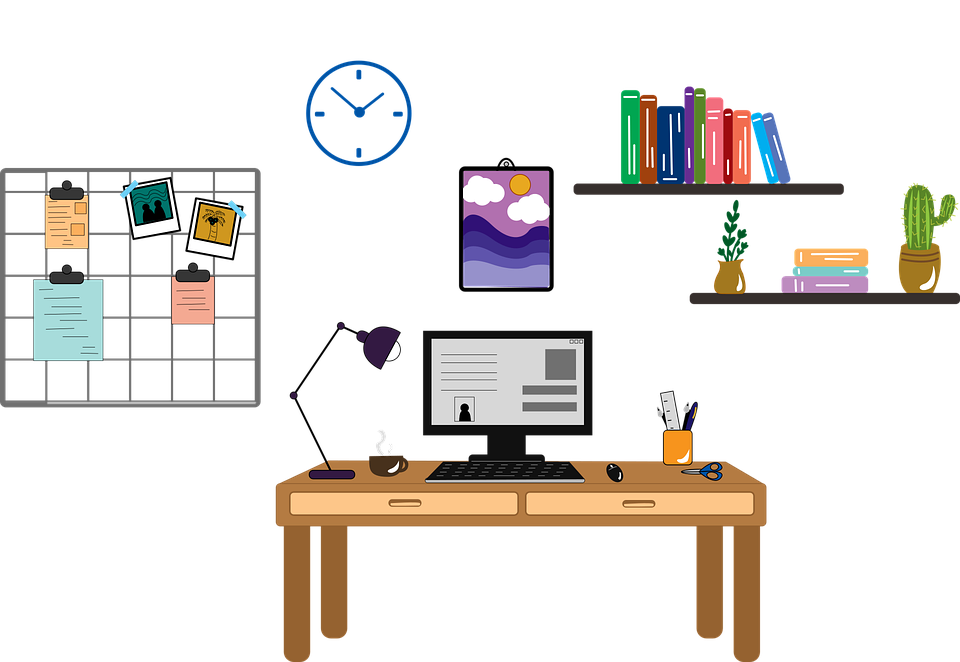
When the temperature level is controlled, transform your attention to the physical configuration of your workspace. Efficiency and low-heat outcome define the ideal Tempe study station. Students living in studio apartments in Tempe understand the value of making the most of every square inch of area, and choosing the best furniture and technology is crucial for both convenience and efficiency. Select a workdesk and chair that promote ergonomic wellness. Your chair must provide lumbar support, motivating an upright pose that sustains performance, while your desk ought to be large enough to hold all your research study products without really feeling littered. Mess produces visual anxiety, and a neat area supports a tidy mind. Make use of upright storage like shelving systems to keep books and products organized and off your major work surface area.
Modern technology selections likewise impact your thermal setting. Laptop computers and monitors create warm, and in a small apartment, this payment is visible. Maintain your laptop computer on a ventilated stand to stop getting too hot, which can improve its efficiency and decrease the warmth it radiates onto your desk. In a similar way, opt for LED lighting, which is energy-efficient and creates nearly no heat contrasted to you can try here typical incandescent bulbs. Strategically put job illumination, like a flexible desk light, directs brilliant, concentrated light precisely where you need it, reducing eye stress and helping to keep concentration throughout late-night study sessions. The aesthetic environment you develop adds straight to your psychological climate, supporting your capacity to power through complicated product.
Managing the Atmospheric and Visual Environment
Beyond the primary temperature, various other ecological factors play a concealed role in your focus. The top quality of the air in your home, known as the atmospheric environment, can influence your psychological clearness. In a closed-off, air-conditioned room, air can wither, resulting in sensations of sleepiness or exhaustion. A straightforward air cleanser or opening up a window during the colder hours of the early morning can present fresh air right into your space. For homeowners in ASU student housing, where rooms are commonly secured to maintain the warmth out, using a small, top notch air filter can assist minimize dust and allergens, ensuring you breathe easy and remain clear-headed while you function.
The aesthetic element is similarly essential for maintaining a positive, motivating state of mind. While heavy blackout curtains shut out the warmth, you still require to make the most of the psychological advantages of light when you research. Setting your desk so you are not facing the home window straight, which protects against glare, however still enables you to catch indirect all-natural light. Throughout the day, make use of large roller tones below your blackout curtains. These shades filter harsh light, changing the extreme Arizona sunlight into a soft, diffused radiance that brightens your room without adding warmth. Including little, low-maintenance plants like succulents-- durable and native to the desert-- brings a touch of all-natural vitality right into your research study location, adding shade and boosting your feeling of wellness without requiring consistent interest.
Techniques for the Student Lifestyle in a Hot Climate
The successful management of a study room in Tempe ties directly into a regimented student way of life. The warm forces you to adapt your routine to the neighborhood environment. Students counting on off campus housing in ASU Tempe typically have extra flexibility however has to also take more campaign in developing a conducive atmosphere. Scheduling your most demanding research study tasks for the coolest parts of the day-- morning or late night-- is a reliable means to leverage the environment. Use the top afternoon warm hours for lighter tasks like assessing flashcards, arranging notes, or taking obligatory breaks.
Your personal comfort considerably affects your capability to stay at your desk. Wear light, breathable apparel-- cotton is a pupil's friend right here-- and always maintain a container of cold water nearby. Dehydration is a silent adversary of concentration, and it happens quickly in the completely dry warm. Think of your body as part of your study system: maintaining it great and hydrated is as crucial as keeping your laptop billed. When the intense heat becomes frustrating, bear in mind that many modern-day pupil real estate facilities and apartment or condos use amazing neighborhood study lounges or pool-side cabanas which are purpose-built to be comfy and trendy. Altering your environment momentarily can give a fresh perspective and a trendy reset switch for your focus.
The commitment you make to developing a cool, efficient, and motivating research study room will straight translate right into greater productivity and much less stress throughout your scholastic trip in Tempe. This carefully planned individual retreat becomes your shelter, an area where you can with confidence concentrate on your research studies, despite the scorching temperatures outside.
We really hope these insights help you change your room into an efficiency powerhouse. Examine back routinely for even more regional suggestions and guidance developed for students browsing life in this dynamic city.